
Does the AI decide on acceptance?
No. It reads, compares and suggests. Acceptance, loading, exclusion and decline are decided by underwriters, and every decision stays documented with its sources.
30%
Property and casualty underwriters spend on average only 30 percent of their time on actual underwriting. The rest is searching, keying in, chasing and sales support.
Accenture and The Institutes, Underwriting Survey 2021A disability application with medical reports easily runs to twenty pages and more. What matters is scattered between routine findings and has to be compared with every health question in the application.
2 Dec 2027
From then on the obligations for AI under Annex III of the EU AI Act apply. This includes AI for risk assessment and pricing in life and health insurance.
European Commission, AI Omnibus, 2026Through the broker portal, BiPRO, email or post, with questionnaires, medical reports or business descriptions. The AI assigns every document to the right application.
Your team decides
Which lines and application types are pre-checked.
Orthopaedic report
Seen for a final examination.
Herniated disc L4/L5, 2021Pre-existing
Conservative therapy, no surgery.Treatment
Physiotherapy until 03/2022
Free of symptoms since 04/2022, fully able to work.Course
It finds diagnoses, treatments, time periods and occupation details, also in scanned medical reports, and marks every passage that matters.
Your team decides
Which details are relevant for underwriting.
The AI compares the findings with the health answers in the application and with your underwriting guidelines. It shows every deviation with its source.
Your team decides
How a deviation is assessed.
One page instead of twenty-three: the risk, the deviations, the guideline that applies and a reasoned suggestion. The underwriter decides and records it.
Your team decides
Acceptance, loading, exclusion or decline.
9 sec
is how long Markel Prime takes to pre-check a small business, the commitment stays with the underwriter
Source: Bitkom, Beyond the Pilot, 2026 (German)20 min
instead of about an hour to work through an application file with medical reports
Assumption for a typical company1 day
sooner with an answer for the broker, because questions come up on the first read
Assumption for a typical companyComing in
Your systems
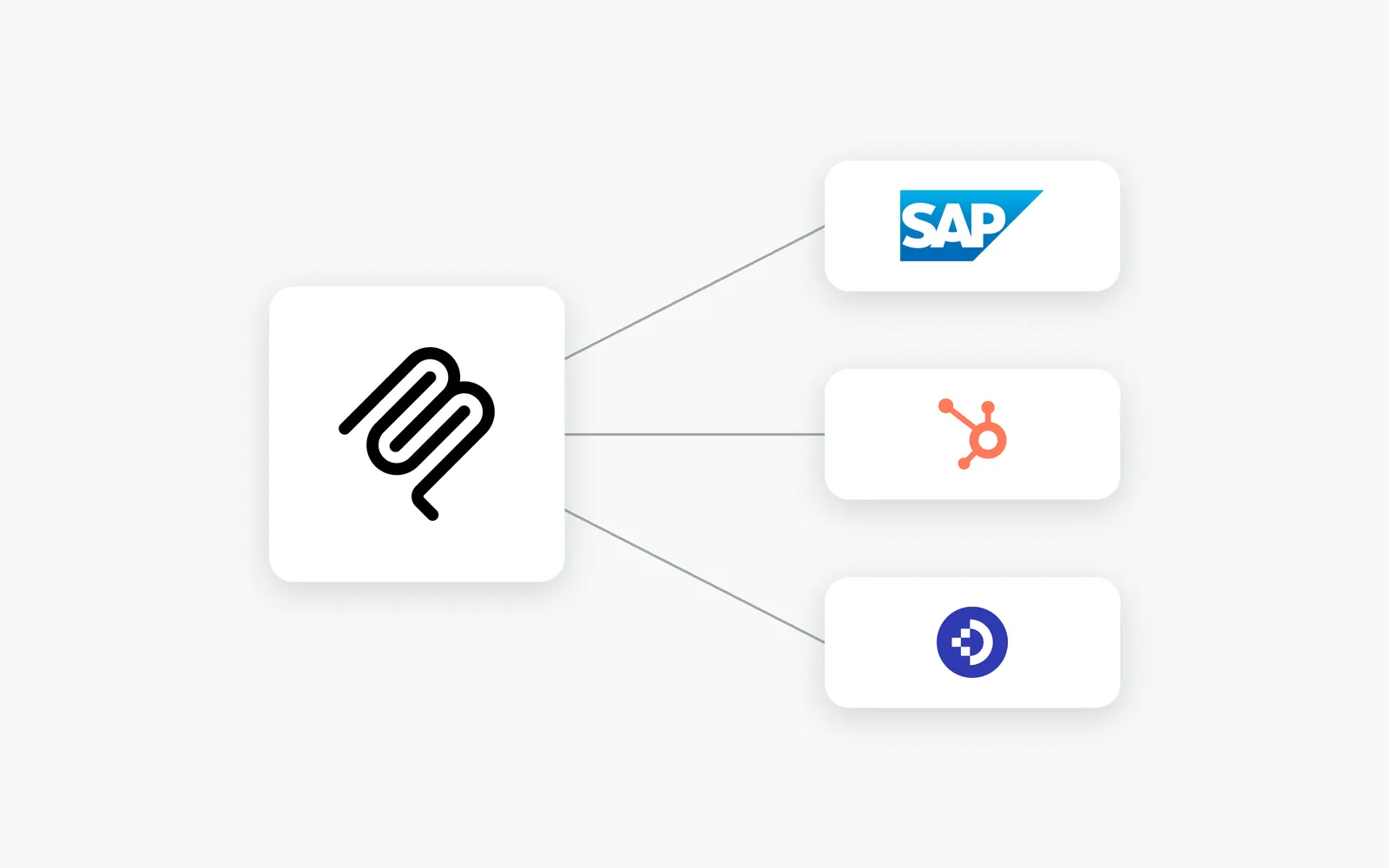
Works with the systems you already use
What the AI takes on
What your team decides
A good fit if
Less of a fit if
What it costs
You know up front what each step costs and what it delivers.
Recommended start
First call
Free
30 minutes by video
AI strategy
€1,990plus VAT
Fixed price
Money-back guarantee: three use cases that pay back within 12 months on paper, with your figures, or your money back.
Pilot with one use case
from €5,000plus VAT
Fixed price
All prices net. Operation afterwards is from 20% of the project price a year, cancellable monthly. The code and the data are yours.
Built fromData & documentsAI training & governance
Frequent questions
The questions that almost always come up about this use case.
No. It reads, compares and suggests. Acceptance, loading, exclusion and decline are decided by underwriters, and every decision stays documented with its sources.
AI for risk assessment and pricing in life and health insurance, including disability cover, is high-risk under Annex III. From 2 December 2027 this brings obligations such as risk management, data quality, logging and human oversight, and for insurers as deployers a fundamental rights impact assessment. Commercial and property risks are not covered by this. This is an orientation, not legal advice. The EU AI Act check helps with a first step.
It is held in German data centres or in your own environment, is not used to train third-party models and is processed only for the application it was submitted with. Access stays with those who have it today.
The next step
30 minutes, free and without obligation.